
Facebook or Instagram? Which one should you focus on?
If you're a business owner with limited time, this question is extremely important.
Both platforms are owned by Meta, but they work completely differently for your business. Think of it like a Camry versus a Hilux. Both Toyotas, but you wouldn't take a Camry onto a building site. The same goes for Facebook and Instagram.
One of the biggest factors in your choice is your customers' age. And no, that's not just a stereotype about boomers on Facebook and millennials on Instagram; data backs this up. If your customers are over 45, Facebook is where they spend time. If they are under 45, then Instagram is your better choice.
But most businesses shouldn't pick one and ignore the other. You need both, and the trick is knowing where to put most of your effort.
Why Your Target Audience Age Actually Matters
Let's address the elephant in the room: the joke about "boomers on Facebook and millennials on Instagram" isn't just hyperbole. There's genuine truth to this demographic split, and it should be the first consideration when choosing where to invest your marketing efforts.
Facebook has become the platform for older demographics. If your target market skews towards Gen X and Baby Boomers, Facebook remains a powerful channel. However, if you're targeting younger audiences, particularly millennials and Gen Z, Instagram (and increasingly TikTok) is where you'll find them actively engaging with content.
This doesn't mean you should abandon one platform entirely. The key is understanding where to focus your primary efforts based on who you're trying to reach.
For many businesses, the smart approach is to maintain a presence on both platforms but allocate resources proportionally to where your customers actually spend their time.
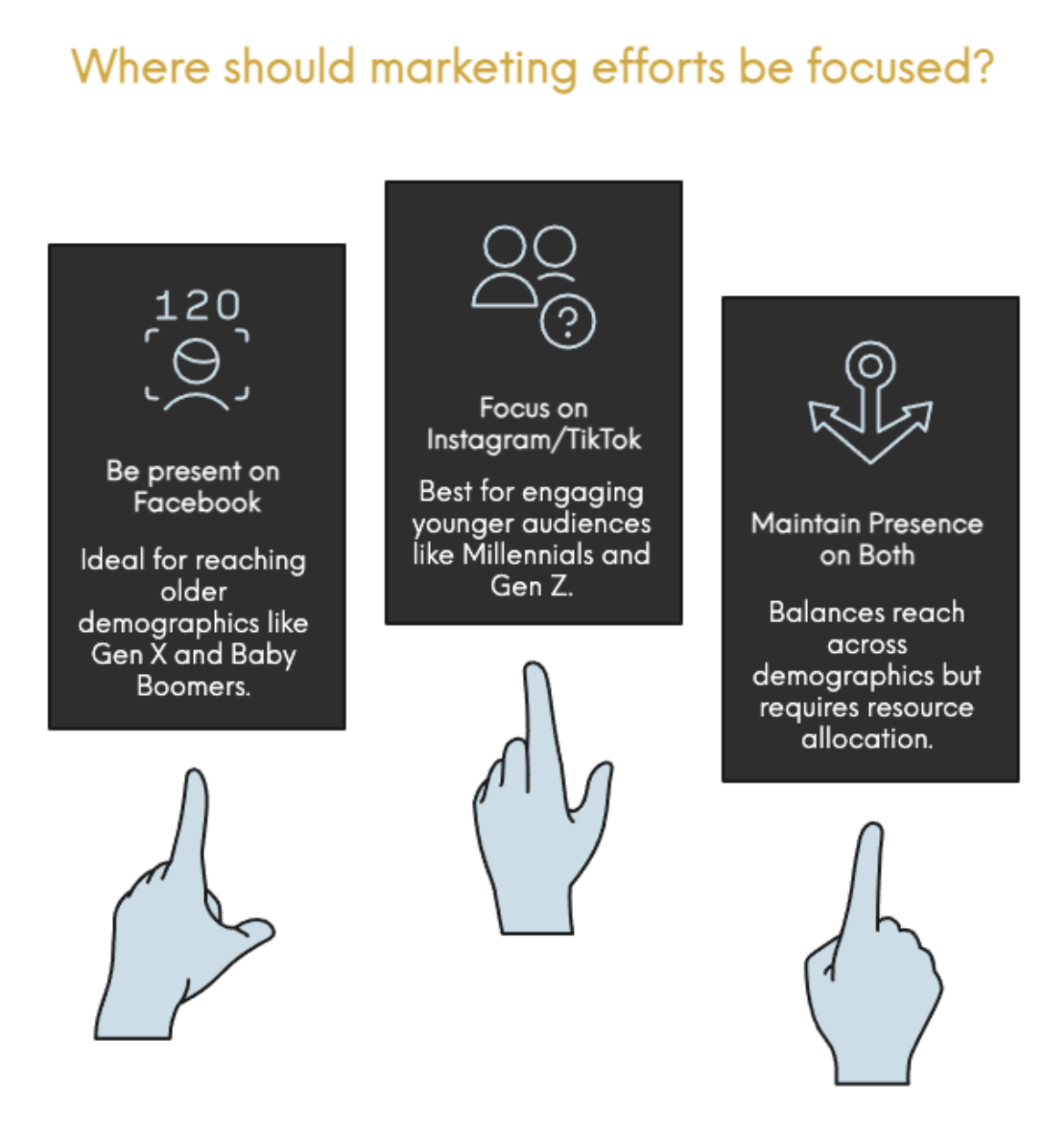
Top Tip: Before you post another thing, honestly assess the age range of your ideal customer. If they're under 45, Instagram should get 70-80% of your effort. If they're over 45, flip that ratio towards Facebook.
How to Get Organic Reach Without Paying for Ads
One of the biggest misconceptions in digital marketing is that organic reach is dead. It’s not, it’s just different now.
In reality, organic reach is more accessible than ever. It's just evolved. The parameters for what goes viral have widened significantly in recent years.
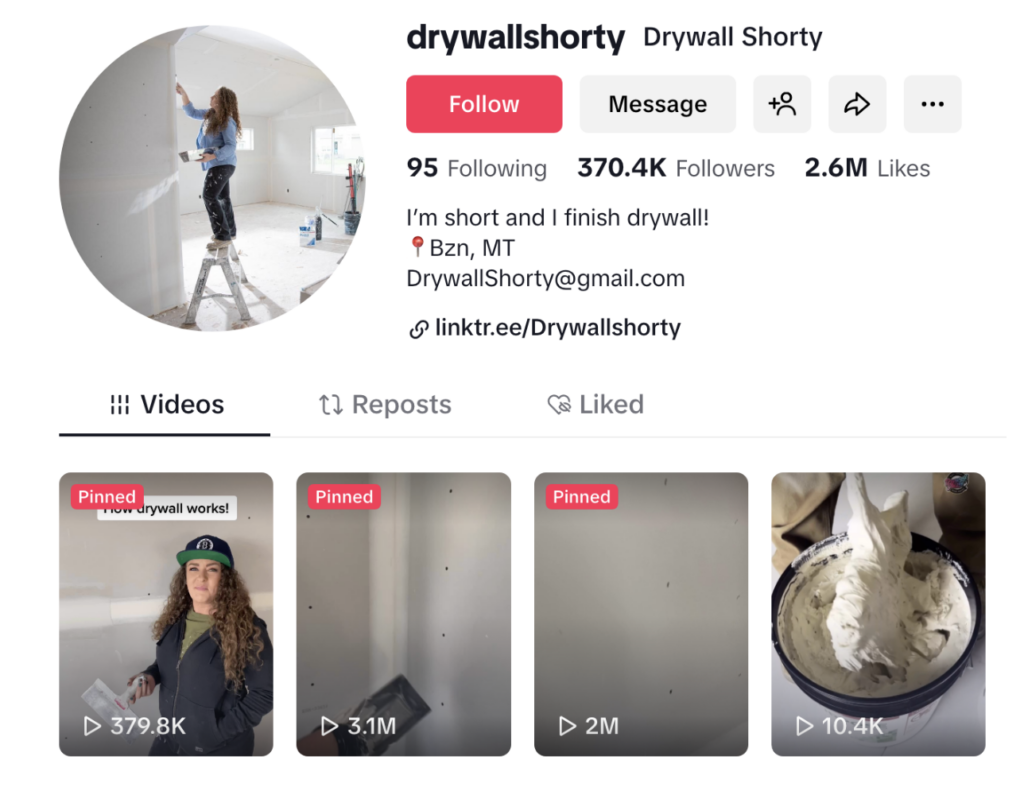
Five years ago, businesses felt pressure to create perfectly polished, highly edited content to stand out. Today, authenticity wins. Take the viral success of "drywall Shorty" on TikTok, a tradie who simply films herself putting up drywall with no editing, no bells and whistles, just genuine behind-the-scenes content. This shift represents a massive opportunity for businesses willing to show up authentically.
Instagram Reels currently offer the highest potential for organic reach across both platforms. The format taps into our desire for quick, engaging content that delivers instant value or entertainment. People are deep in Reels territory now, seeking those dopamine hits rather than reading lengthy text posts.
However, this doesn't mean text-based content is worthless. Facebook still works well for more detailed, informational posts, particularly for audiences who prefer that format. The key is matching your content type to both your platform and your audience preferences.
Start with one Reel per week, showing something real from your business. Film yourself packing orders, explaining a question customers always ask, or showing how you make something. No fancy editing needed.
Post it to Instagram first, then share it to Facebook.
When You Should Spend Money on Ads
While organic reach offers incredible potential, it comes with one significant limitation: time. Building organic reach doesn't happen overnight. It requires consistent effort, authentic content, and patience.
Paid advertising creates speed. If your business needs leads or sales now, a paid advertising strategy becomes essential. This is particularly true for new businesses trying to build initial awareness or established businesses launching new products.
But here's what most businesses get wrong: paid and organic aren't an either-or choice. They work better together.
Consider the customer journey. Someone sees your ad, and what's the first thing they do? They either click through to your product page or check out your social media profile. If they land on your Instagram or Facebook page and find it dead (no recent posts, no engagement, no value), you've just wasted that ad spend. They'll bounce back to their feed, and your opportunity is lost.
The match between your paid ads and organic presence builds trust. If your Instagram Story ad promotes a Black Friday sale but there's nothing about it on your grid, no posts for six months, and no evidence of an active business, potential customers will assume you're not legitimate.
Your organic presence validates your advertising and gives people a reason to believe in your brand.

What Facebook Does Better Than Instagram
Facebook excels at providing detailed business information and building communities. The platform gives you more freedom to showcase your services comprehensively. Opening hours, locations, complete service listings, and customer reviews all live naturally on Facebook.
For businesses, Facebook works as a digital storefront that supports SEO and establishes authority. Your brand presence needs to exist across multiple platforms for credibility, and Facebook provides the infrastructure to present detailed business information that Instagram's limited bio simply can't accommodate.
The community-building aspect of Facebook is its strongest differentiator. Facebook Groups allow businesses to create dedicated spaces where customers can interact not just with the brand but with each other.
These communities become places where customers share experiences, photos, tips, and create emotional connections around shared interests related to your product or service.
One of our digital marketing experts at Websites That Sell recently shared how an electric scooter business used this perfectly. The owner created a community group for electric scooter riders in Brisbane where members organised meetups, shared riding tips, and posted about their experiences. This community became the business's biggest point of difference, creating shared emotional experiences that customers associated directly with the brand.
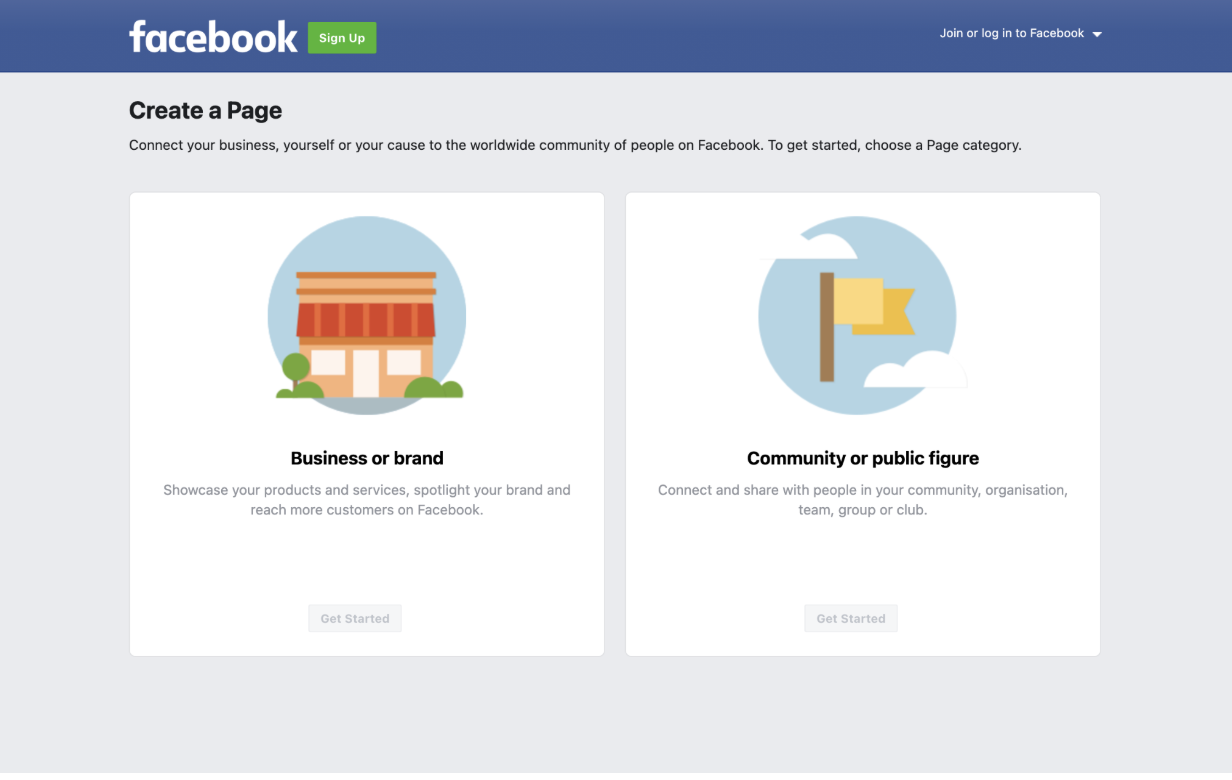
Action point: Set up your Facebook Business Page with complete information. Fill out every field. If you have repeat customers or a passionate customer base, consider starting a Facebook Group where they can connect with each other, not just with you.
What Instagram Does Better Than Facebook
Instagram does something Facebook doesn't. Facebook gives you space for detailed info and community building. Instagram shows who you are as a brand. Behind-the-scenes content, visual storytelling, customer advocacy - that's Instagram's strength.
Instagram stories are underrated for engagement and data collection. People love giving their opinions. Stories make it easy to gather customer insights through polls and questions. Ask your audience what they want to see, what they loved about your last product, or what they'd buy next. You get engagement and market research at the same time.
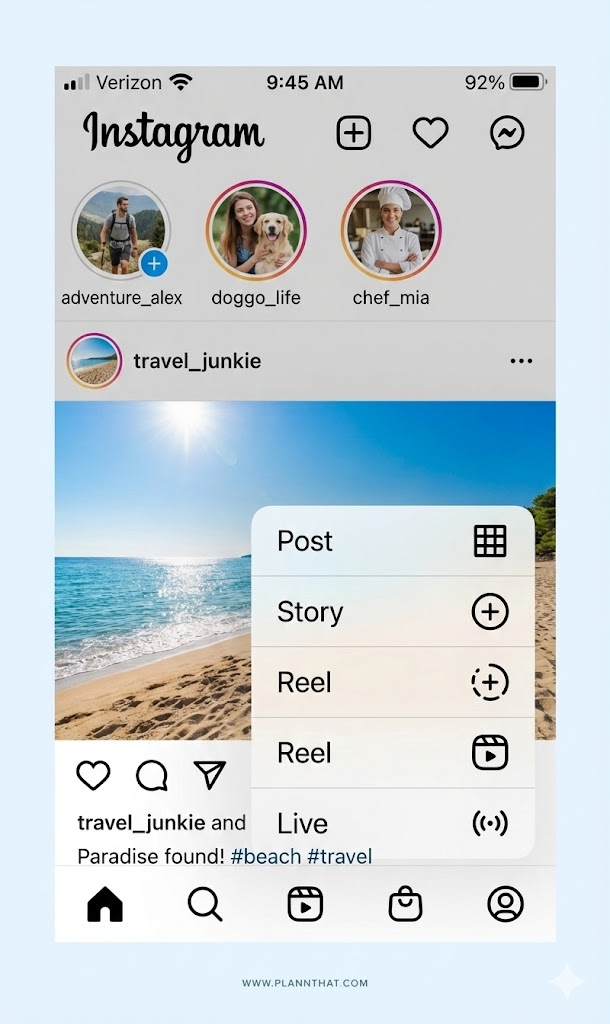
You can't do this as well on Facebook. The story format, with interactive stickers, makes customers feel heard in a way comment threads don't.
For product businesses, Instagram works perfectly for lifestyle imagery and user-generated content. A good photo showing your product being used tells a story that specs can't. The platform's visual nature lets you showcase products in real-world contexts. Customers can imagine themselves using what you're selling.
Action point: Use Instagram Stories at least 3 times per week. Add a poll or question sticker to at least one story per week. Ask genuine questions about what your customers want or need, then actually use that feedback.
How Each Platform Fits Your Customer Journey
Here's where Facebook and Instagram fit in your customer journey.
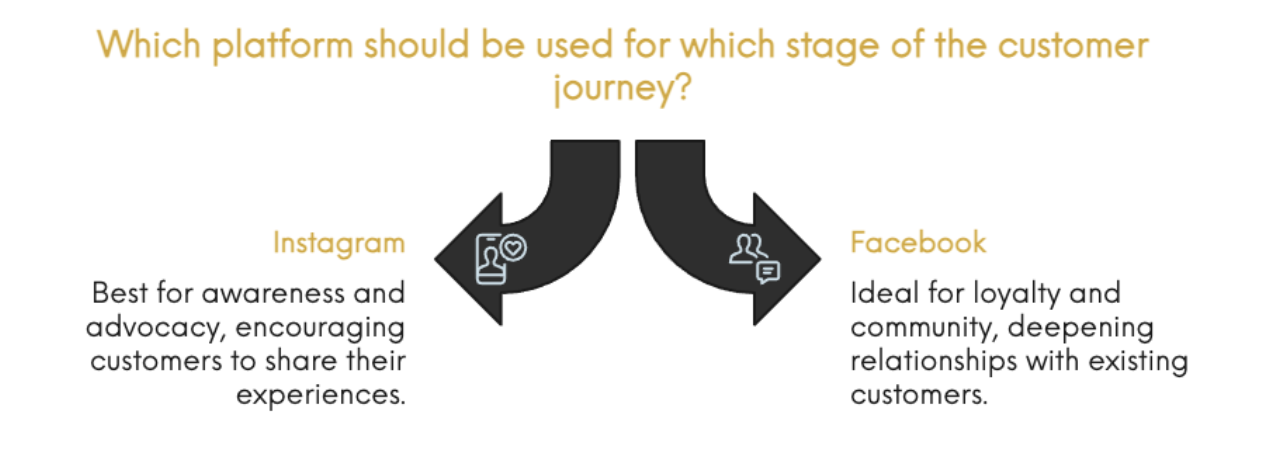
Facebook works best for loyalty and community. Once someone buys from you or engages with your brand, Facebook gives you the tools to deepen that relationship. Groups, detailed posts, community discussions - these turn one-time customers into loyal advocates. The platform lets you share information and create spaces where customers connect with your brand on a deeper level.
Instagram thrives in awareness and advocacy. When customers genuinely love your brand and want to share it, what do they do? They share your post to their Stories. They tag you in their content. They want everyone to know about you. Instagram's sharing mechanics make it the natural platform for brand advocacy.
Both platforms serve different purposes in moving customers from awareness to loyalty. Neither can replace the other. They do different jobs in building relationships.
Action point: Map out your customer journey. Use Instagram to attract new customers and encourage existing ones to share their experiences. Use Facebook to nurture those customers with detailed information and community connection once they've bought from you.
What Type of Content Works on Each Platform
Your content strategy needs to be different on each platform. Different audiences, different formats.
On Instagram, authenticity and behind-the-scenes content perform best. Show the process, introduce team members, demonstrate how products are made, and capture day-to-day business operations. This creates a connection.
Founder-led content (where business owners show up personally to tell their brand story) works exceptionally well because it creates emotional attachment.
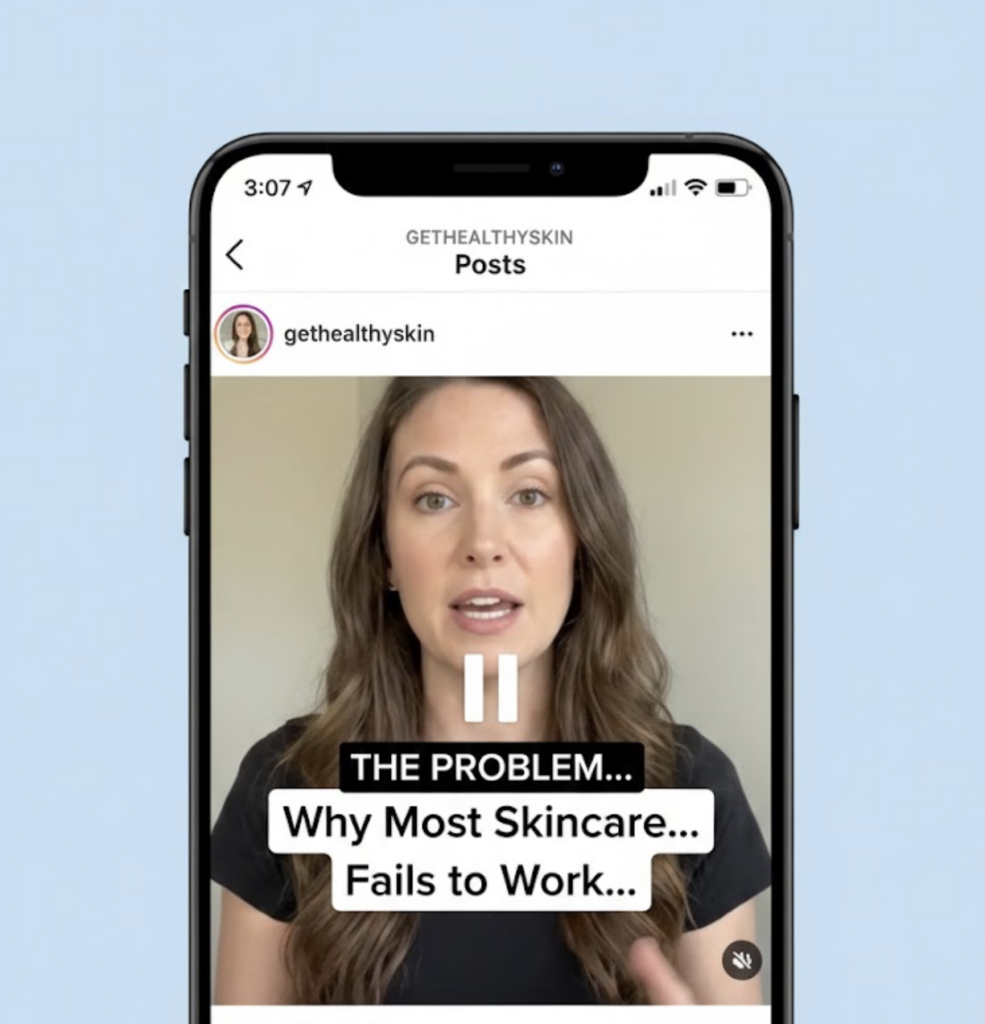
On Facebook, informational content and community engagement matter most. Longer posts explaining products or services, customer testimonials, detailed announcements, and community discussions - these find more receptive audiences on Facebook. The platform handles text-heavy content that educates and informs instead of just entertaining.
But both platforms benefit from one thing: storytelling over product showcasing.
For small businesses, storytelling makes the difference between customers choosing your products over cheaper alternatives from major retailers. When you're competing against the convenience and pricing of fast fashion or discount e-commerce giants, your story becomes your competitive advantage. Customers who connect with your brand story become loyal repeat buyers instead of price shoppers.
That doesn't mean product imagery isn't important. A well-styled product photo in the right environment tells its own story. Show products being used in real life, by real people, in contexts your audience relates to. This communicates value better than isolated product shots.
For certain products, especially supplements or items that don't have obvious visual interest, storytelling becomes even more important. Jump on camera to explain what goes into the product, why your version is different, and share personal experiences using it. This transforms a simple bottle into something worth investing in.
Action point: For every product post, ask yourself: What's the story here? Who uses this? Why? How does it fit into their life? Answer those questions in your caption or video, not just with product specifications.
Research Your Industry Before Committing to a Platform
Before diving deep into either platform, proper research prevents wasted effort on channels where your customers aren't active.
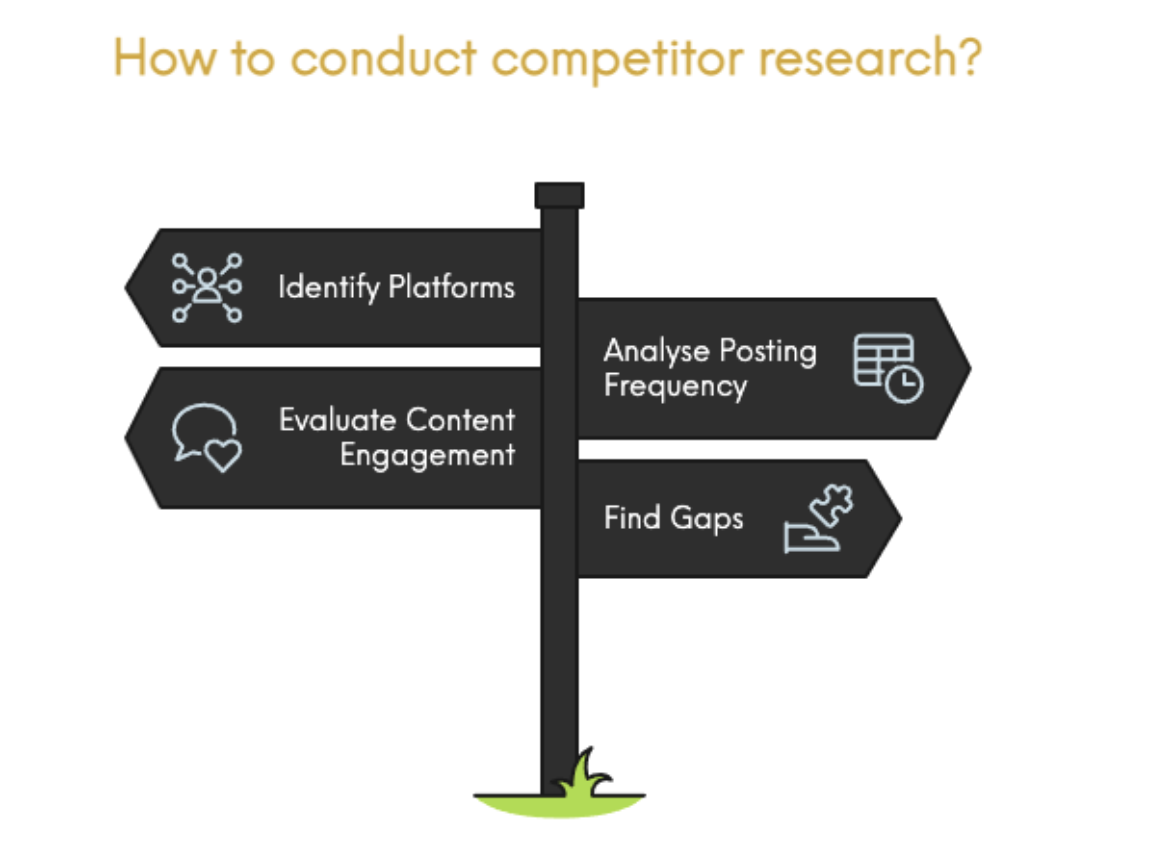
Start by analysing where your competitors operate successfully. If no one in your industry has a presence on a particular platform, that's either an opportunity or a warning sign. Breaking into an untapped platform can work brilliantly if you have authentic content, a solid strategy, and enough time to establish yourself. However, it can also mean the platform simply doesn't work for your industry or audience.
Look at what successful competitors are doing, but don't copy their approach. Use their presence as validation that the platform works for your industry, then find your unique angle.
Perhaps competitors post only polished product shots, but your behind-the-scenes approach could differentiate you. Maybe they focus solely on product features, while you could emphasise customer stories and use cases.
We recently saw a small fashion business demonstrate this perfectly during a rebrand under new ownership. While competitors stuck to perfect, polished Instagram feeds, the new owners took customers behind the scenes. They showed the warehouse, documented the design process, and asked followers for input on patterns and materials through Stories and Facebook Group discussions. This transparency during the transition maintained customer loyalty that could easily have been lost and gave customers ownership in the brand's evolution.
Action point: Spend 30 minutes right now looking at your top 5 competitors. Note which platforms they're on, how often they post, and what type of content gets the most engagement. Look for gaps you could fill.
How Much You Need to Invest (Time or Money)
Many business owners assume social media is free. While creating accounts costs nothing, successful social media marketing requires investment, either in time or money, often both.
Organic social media requires significant time investment. Creating content, engaging with followers, responding to comments, and maintaining consistent posting schedules demands hours each week. For businesses operating lean, this represents real cost even without ad spend.
Paid advertising requires financial investment but can accelerate results dramatically. The key understanding is that organic and paid strategies accomplish different goals. They're not substitutes for each other but work together. Some e-commerce businesses thrive entirely on organic strategies, while others rely heavily on paid acquisition. Most successful businesses use both strategically.
The decision on where to invest depends on your business needs. Need immediate leads or sales? Paid advertising delivers speed. Building long-term brand loyalty and community? Organic content creates lasting relationships. Most businesses benefit from a hybrid approach that matches resource allocation to business goals.
Action point: Be realistic about what you can commit to. If you can only manage 2 hours per week, focus on one platform done well rather than both done poorly. If you have a budget but no time, consider starting with a small ad budget (even $25/day) while building organic presence.
How to Decide Which Platform Deserves Your Focus
For most small to medium businesses, the answer isn't choosing between Facebook and Instagram but understanding how to use both effectively within your resource constraints.
Choose to focus primarily on Instagram if:
- Your target audience is predominantly under 45
- Visual storytelling suits your product or service
- You can commit to regular Stories and Reels content
- Building brand advocacy through customer sharing is a priority
Choose to focus primarily on Facebook if:
- Your target audience is 45+
- You offer complex products or services requiring detailed explanation
- Building a dedicated community around your brand makes strategic sense
- Local presence and detailed business information are crucial for customer decisions
Invest equally in both if:
- Your audience spans multiple age demographics
- You have resources to maintain both platforms consistently
- Different aspects of your business suit different platforms
- You're running paid advertising and need organic presence to support it
Remember that maintaining a presence on both platforms matters for brand authority and SEO, even if you focus primary efforts on one. Cross-posting from Instagram to Facebook requires minimal effort and ensures you're not completely absent from either platform.
The Bottom Line
Facebook and Instagram serve different purposes in your marketing, much like different tools in a toolbox. The carpenter doesn't choose between a hammer and a saw. They use each tool for its intended purpose.
For small to medium businesses, success comes from understanding where your customers spend time, what content resonates on each platform, and how both channels support different stages of the customer journey. Facebook builds community and provides detailed information, while Instagram drives visual storytelling and advocacy.
Rather than viewing this as a competition between platforms, see it as an opportunity to meet your customers where they are with content that serves their needs at each stage of their journey with your brand. The businesses that thrive on social media are those that understand these distinctions and allocate resources strategically rather than spreading themselves too thin trying to be everywhere at once.
Start with research, understand your audience, test your approach, and be willing to adapt as you learn what works for your specific business. Social media success isn't about perfection. It's about authenticity, consistency, and showing up where your customers need you most.
If you need help developing a strategy that combines both paid and organic effectively, our social media marketing services can help you create a plan that fits your business goals and budget.